Reading Time: 2 minutes

How Students Pushed Back On Proposed Amendment

For many young South Africans, graduating does not mean freedom.

Alongside their degree, most end up carrying heavy student debt. Sadly, for too many, they also end up now qualified but still unemployed.

So, when government recently published proposed changes to the National Credit Act Regulations, which could have seen student debt show up on credit records. The reaction from the public was overwhelmingly negative and angry.

‘The reaction from the public was overwhelmingly negative and angry’

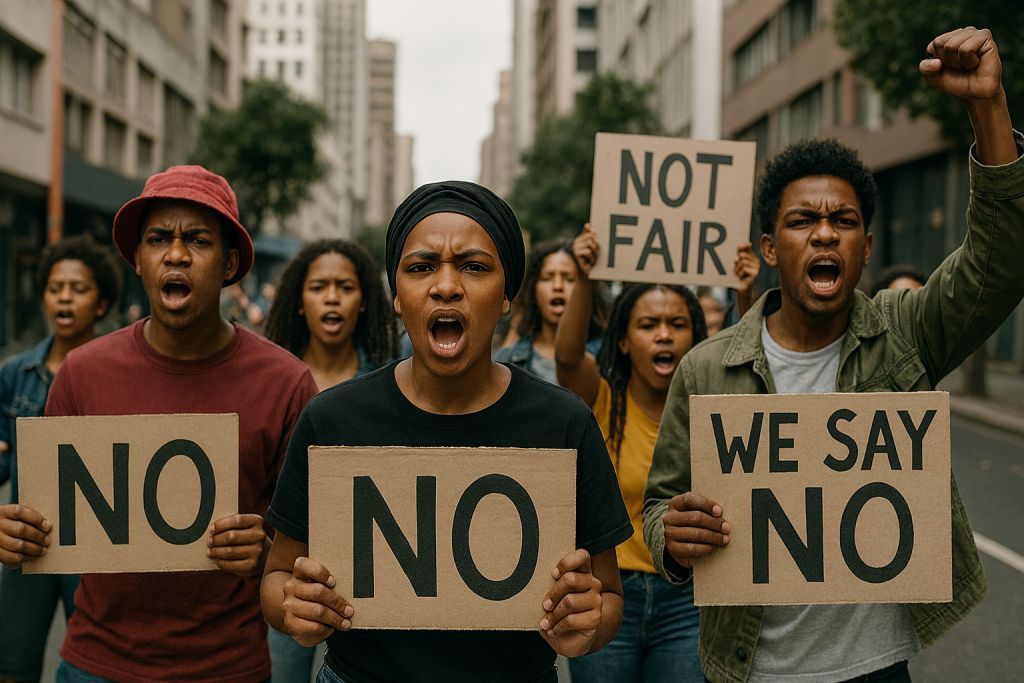
Students, families and political groups spoke out, warning that this would trap young people before they even had a chance to start their adult lives.

What Was Proposed & Why it Made People Angry

The intended regulation changes would have allowed educational institutions to share unpaid fees with credit bureaus.

In practice, that could mean being listed for the non-payment of student debt, the same way missed store card or loan payments show up on a credit report. With so many graduates already struggling to find work, the idea of having such negative listings showing before even earning their first pay cheque felt deeply unfair.

Read More: Proposed Changes to NCA Regulations

For many, this was not just about paperwork. It was about dignity and opportunity.

    • Student already facing months of unpaid NSFAS allowances or dealing with family financial strain could have their name tarnished before even starting work.
    • Graduates with unpaid fees could potentially be blocked from loans, housing or even job opportunities due to bad scores on their credit reports.
    • Families of struggling students saw the move as punishing the poor for circumstances beyond their control.

The reaction was swift and surprisingly united. Student groups, parents and youth political organisations all quickly began to call it a cruel attack on the vulnerable.

Government Backs Down

Officials tried to calm fears, saying the draft changes were misunderstood and mainly aimed at helping small businesses build credit histories.

But the public did not buy it.

Thousands of objections poured in, protests were planned, and the pressure quickly mounted.

Finally, just before the comment deadline, Minister Parks Tau announced that the proposed amendments would be withdrawn.

A Small Win In The Face of Serious Challenges

The withdrawal is a small win for stressed students, but it does not erase the problem of mounting student debt or the reality of mass graduate unemployment.

Young people are not trained how to run their own businesses or create their own work. With less and less employers hiring, the massive impact of Ai and deteriorating economic conditions, these challenges still need real solutions.

What it does show, however, is that when people speak out together, policies can change.

This entire debacle is a reminder that rules around credit can have unintended impact. Students are not just numbers in an Excel spreadsheet on employment figures. They are, in fact, the future workforce.  Policies that inadvertently add to their financial chains risk holding back an entire generation.