You may have insurance to cover your home, car or valuables.
If so, it is good to review the values that are covered and make sure they match the actual cost of replacing the items.
If something goes wrong and you make an insurance claim and the figures don’t match, you might end up getting paid out less than you need to replace the items. Conversely, you may end up overpaying for things that are now cheaper to replace than in the past due to shifts in prices.
When making an insurance claim, you may need to prove you had the item and what it cost. So, it is also good to make sure that you can do so and have a record somewhere (preferably digital).
This is a good project to do around this time of year.
Under Insured or Over Insured
As time goes by, the prices and values of home contents and specified items change. An iPhone 10 is not worth today what it once was.
Edite Teixeira-McKinnon, Lead Ombud of the Non-life Insurance Division of the NFO, says: “It is important to bear in mind that jewellery appreciates, technology depreciates, and replacement costs shift constantly. Without regular reviews, your cover may leave you dangerously exposed, turning years of paid premiums into little more than false reassurance.”
If you have been paying premiums for a value that is less than what the items are worth, then when you later claim you may be in for a shock when you receive less of a payment than you expect.
‘when you later claim you may be in for a shock when you receive less of a payment than you expect’
It can also work the other way around.
In one matter that went to the NFO (who often have to clean up after a fight between consumers and insurers), a consumer had insured her ring for R155 000 and had a previous formal valuation from a jeweller at R125 000.
When the ring was stolen, she received an insurance payout of R59 030, which was how much it would actually cost to replace the ring. This teaches us that insurers are promising to get the consumer back to the position they were in before the loss, not to pay out the insured amount.
So, it is important to also check that things are not over insured and that you are not paying too high a premium. It also shows that the maximum value insured does not 100% guarantee the payout amount.
A reminder from the NFO is that consumers should never produce fake or fraudulent proof of the value of an item when fighting with their insurer over the value. That can result in the entire matter being thrown out.
Keep Your Figures Up To Date
So, it is good to review your insurance and the value of the things insured from time to time to avoid disappointment, overpaying or underinsuring.
Edite says: “Outdated valuations can leave you underinsured and facing financial shortfalls when disaster strikes… review and update the value of your home contents regularly… By keeping your cover aligned with current replacement costs, you safeguard your peace of mind and ensure that, should the worst happen, you are in a position to recover financially.”
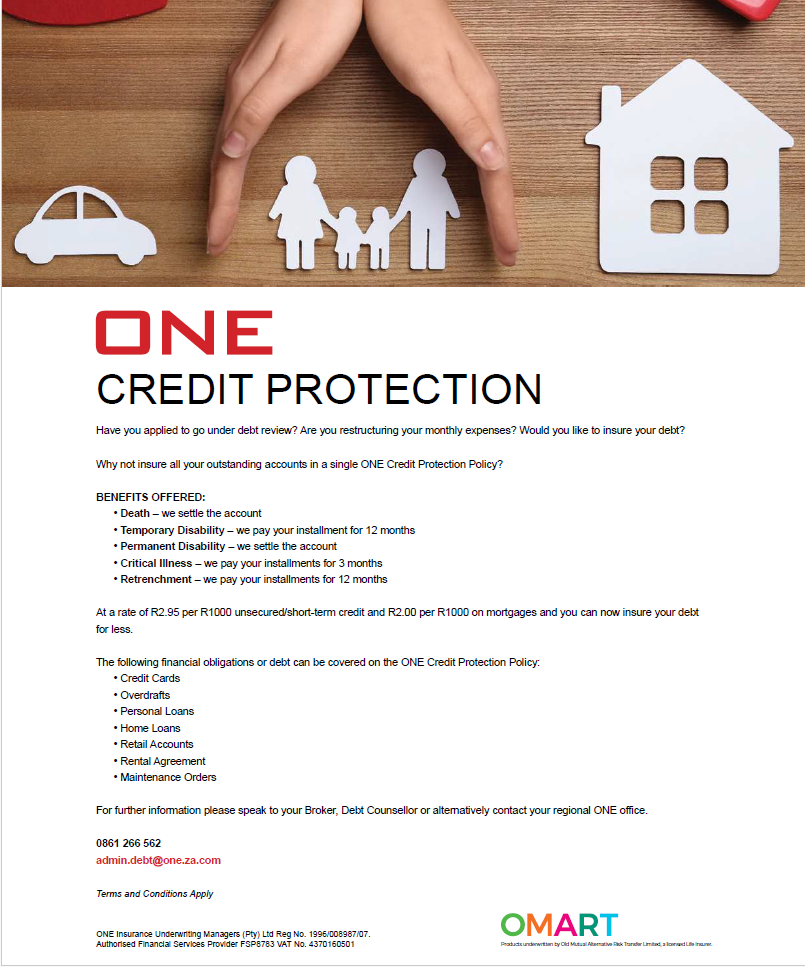
One area that consumers under debt review can talk to their broker about, or even specialist insurers who help debt review clients (ask your Debt Counsellor who), is the insurance they pay on all their credit accounts, called “credit life insurance”. Most credit accounts are insured in case you lose your job or die suddenly. It makes sure the credit providers get their money back no matter what. A review of what is being paid for this type of insurance could result in opportunities to find a cheaper but just as reliable insurer.
Be sure to have a look at your insurance and what is covered. Check that you have proof of what you own and how much it costs.
Why not make this a project for this month?
You may find that you can free up further funds to pay towards your debts or essentials.
We use cookies (the computer type not the tasty ones) to ensure that we give you the best experience on our website. If you continue to use this site we will assume that you are happy with it.Yummy, Cookies... OKNo