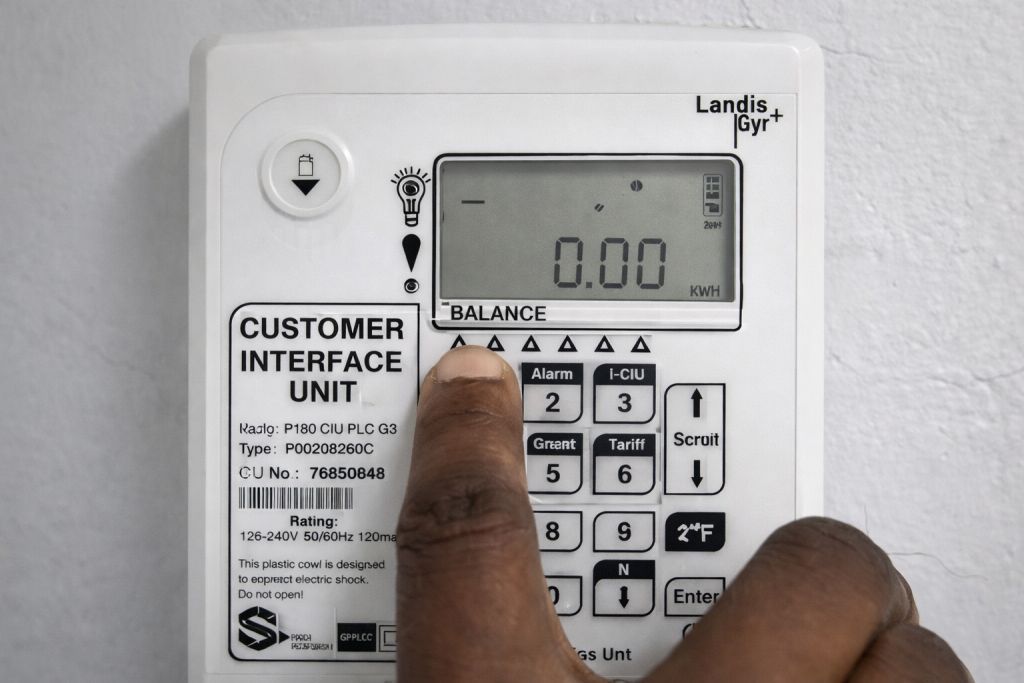
Electricity prices in South Africa are set to rise again, while most households are already feeling tired of constant cost increases.
A proposed 10.5% electricity tariff hike could soon push your monthly bills even higher. The increase comes from Eskom, which says it needs an extra R76 billion in revenue.
If approved by the regulator, the higher prices will start from 1 April 2026 for customers who buy electricity directly from Eskom. People who get their power from municipalities will probably see the same increase from 1 July 2026.
For families who are already cutting back on costs, this feels like another unavoidable hit to the budget.
Eskom Need More Money
Eskom, which was pillaged during the Gupta years, says it needs more money to cover its costs, but of course, the issue of price for electricity is never that simple.
Part of the need for another huge increase comes from mistakes seemingly made by the regulator, called NERSA (National Energy Regulator of South Africa). These errors relate to accounting rules around things Eskom owns and how they lose value over time as they get old and used up.
In plain terms, calculations were done incorrectly in the past, and those mistakes now potentially allow Eskom to charge more suddenly to make up for those past mistakes. That means consumers are being asked to pay for poor planning and overspending that happened years ago, even though they had no say in those decisions.
People Are Struggling To Keep Up
The impact of higher electricity prices will be felt across the country.
Households could pay hundreds of rands more each month just to keep the lights on. Small businesses like shops and restaurants face higher running costs, which will probably force them to raise prices or cut back on staff.
This latest proposed increase also fits into a worrying long term pattern. Over the past decade, electricity prices have climbed by more than 130%, even though Eskom sells less power than before. They sell less so they feel they have to push up prices to keep their income up. But higher electricity costs push up the price of almost everything, from food to transport, and they slow economic growth.
Nersa must hold a public consultation soon before making a final decision, with comments due by 21 January 2026. Then they need to make a call on whether Eskom gets to hike their prices again this year.
We use cookies (the computer type not the tasty ones) to ensure that we give you the best experience on our website. If you continue to use this site we will assume that you are happy with it.Yummy, Cookies... OKNo