Reading Time: 6 minutes

The Highlights

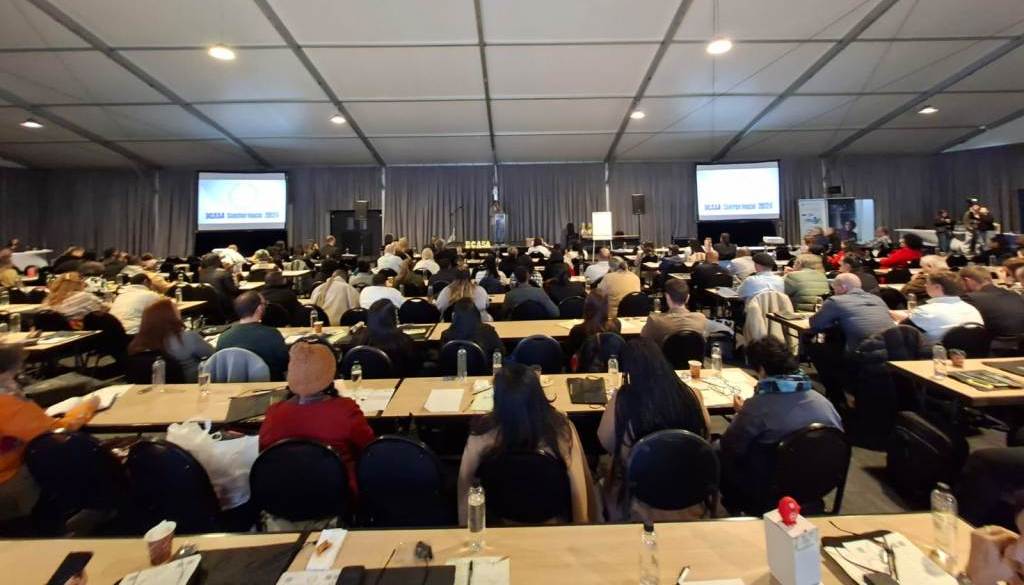
Around 200 delegates gathered in Gauteng for the 2026 DCASA Annual Conference, where speakers challenged the debt review industry to work together, look closely at where things are going wrong and, appropriately enough, “Don’t Drop the Ball.”

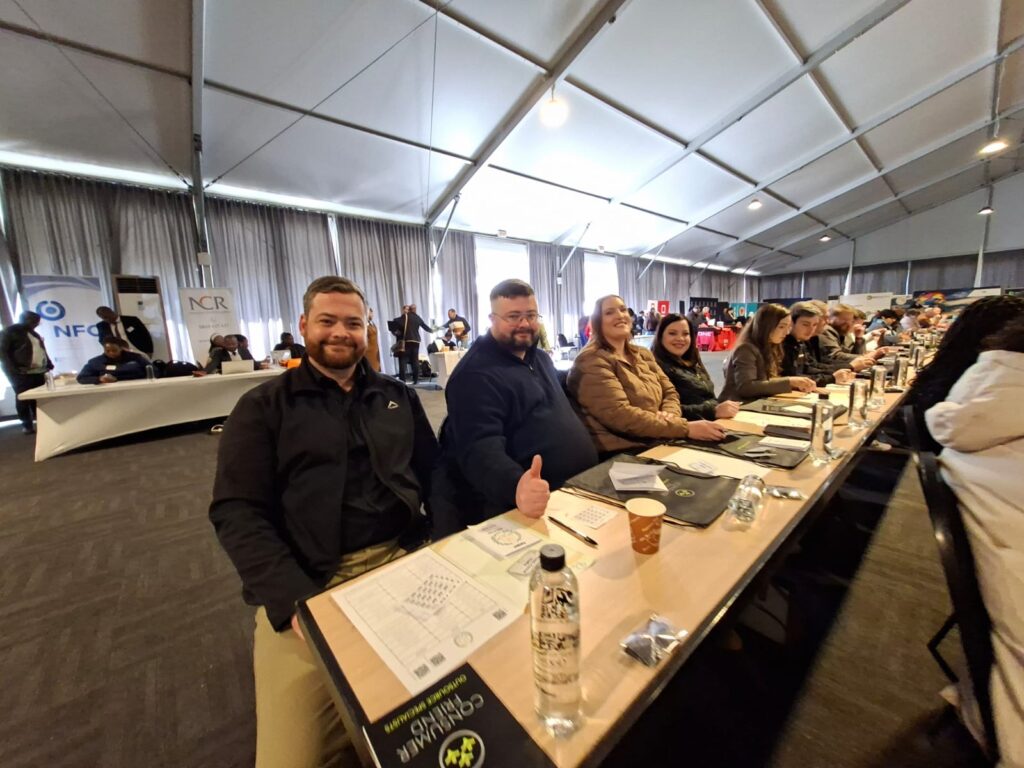
DCASA is the debt counselling association with the most individual members and represents a large portion of those actively practising in South Africa. Each year they hold a members’ conference in Gauteng and invite speakers, suppliers and sponsors to the event.

Don’t Drop the Ball

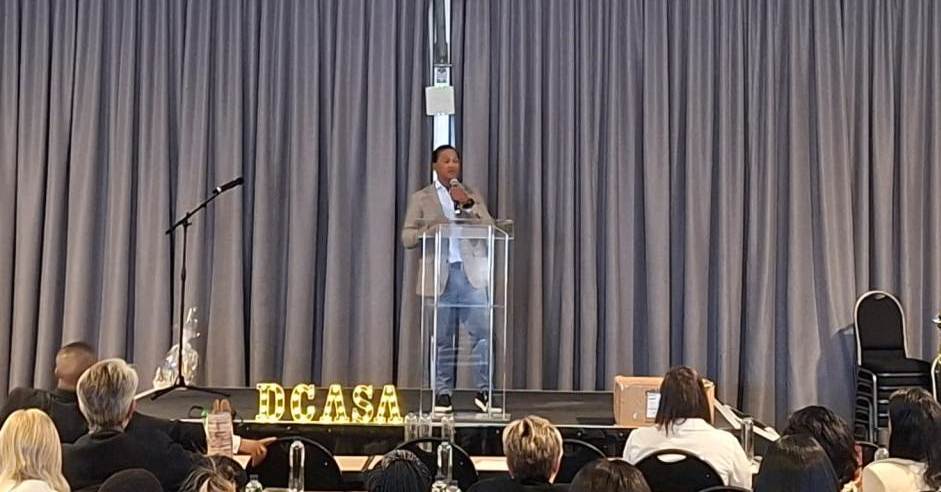
Former Springbok Breyton Paulse got proceedings underway with some entertaining stories about his rugby career and his early experiences facing the media with limited English.

He then handed over to DCASA President Casper le Grange, who set the tone for the day with a passionate call for greater cooperation across the industry.

Where Are We Dropping the Ball?

DCASA President Casper spoke frankly about issues that can erode consumer confidence, including fees and the speed at which industry problems are addressed.

He also shared a video from PDASA (the association of PDAs) which used the journey of a coffee bean to illustrate the importance of how consumers are treated and supported through their journey.

A key part of Casper’s message was the need for better data.

Rather than relying on stories and anecdotes, he called on different role players to share information that can help identify where problems really exist. His hope is that by the 2027 conference, the industry will have a much clearer, data driven picture of where the ball is being dropped.

Why Are We Here?

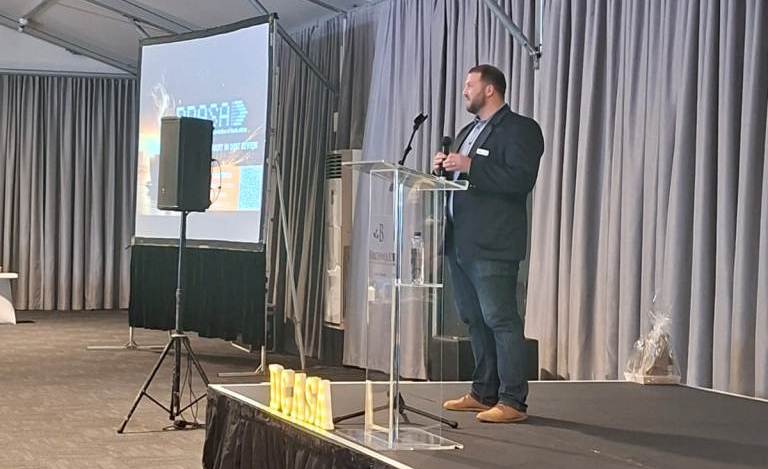
PDASA Chairperson Tiaan Hattingh followed with a more personal challenge.

Tiaan asked delegates to think about why they chose to work in this industry and whether they are doing everything they can for consumers.

Communication is one obvious area for improvement. Consumers sometimes struggle simply to get hold of their bank, Debt Counsellor, attorney or other parties involved in their debt review. He urged all to make efforts in this regard.

“We are one industry” was also part of his message. Different role players may have different responsibilities, but ultimately, they need to work together for the same consumer.

Tiaan also discussed the sustainability of the three PDAs that make up PDASA: DC Partner PDA, Hyphen PDA and iPDA.

Together they currently collect and distribute payments for around 260,000 consumers. They are doing some amazing work with huge amounts of money moved for these clients. He did raise concerns about stagnant PDA fees and how this limits investment in developments that could ultimately benefit consumers.

Panel Discussion

A panel discussion brought together representatives from training, academia, the National Consumer Tribunal, PDASA, credit providers, the legal profession and debt collection. Our Editor also got to participate as a Debt Counsellor to share insights from this perspective.

The discussion covered everything from Debt Counsellor training and consumer protection to payments, fees, access to justice, credit provider participation, collections and possible legislative reform.

Emerging challenges such as Buy Now, Pay Later were also discussed.

Despite the different perspectives represented, the discussion repeatedly returned to the day’s central question: where is the ball being dropped and how can the industry do better for consumers?

All the participants were eager to see improvements and enhancements. The discussion eventually had to be cut slightly short, but it was a healthy and robust look at various topics from different perspectives.

Rugby Lessons for Life

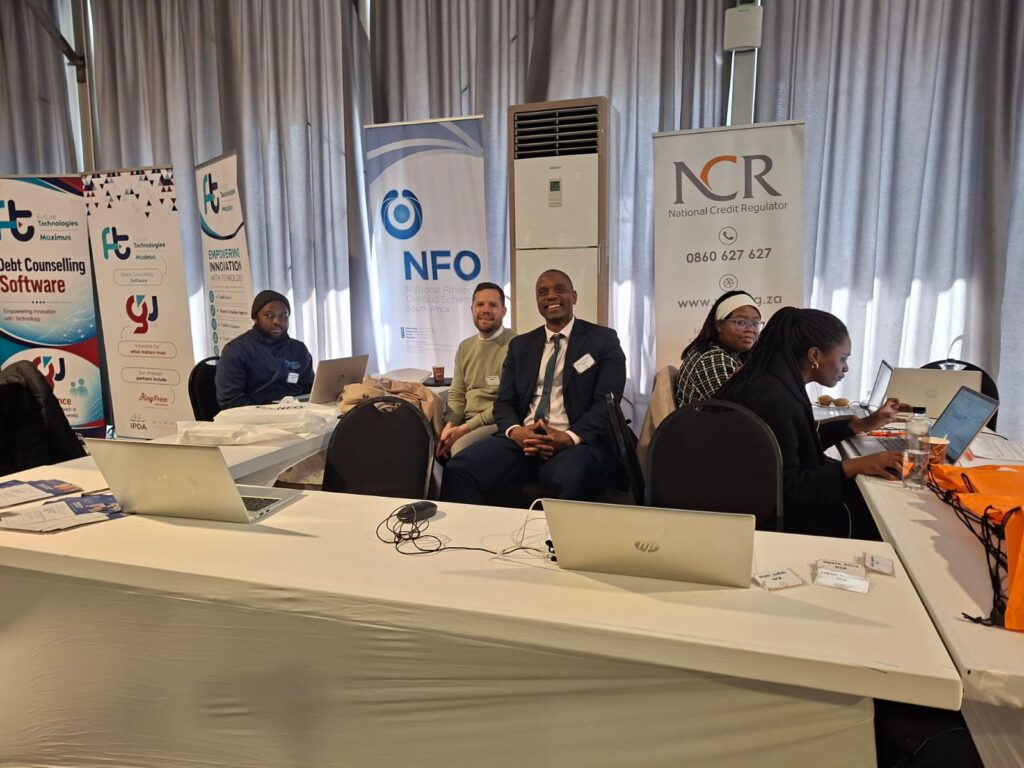
After a break for networking and a chance to visit sponsors and vendors, Breyton Paulse returned for the keynote and quickly had delegates dancing and laughing.

He then drew on his experiences playing for the Springboks to discuss the similarities between sport, business and life.

Breyton spoke about growing up on a farm and how people who believed in him helped change the direction of his life. His ambitions went from working in a taxi to attending university and eventually playing professional rugby in some of the world’s biggest stadiums.

His message was about giving other people opportunities.

Someone believing in you can change what you believe is possible for yourself. Breyton encouraged delegates to support others and provide those same opportunities whenever they can.

Are Consumers Waiting Too Long?

Razia Cleland provided a fascinating look at the changing behaviour of financially stressed consumers.
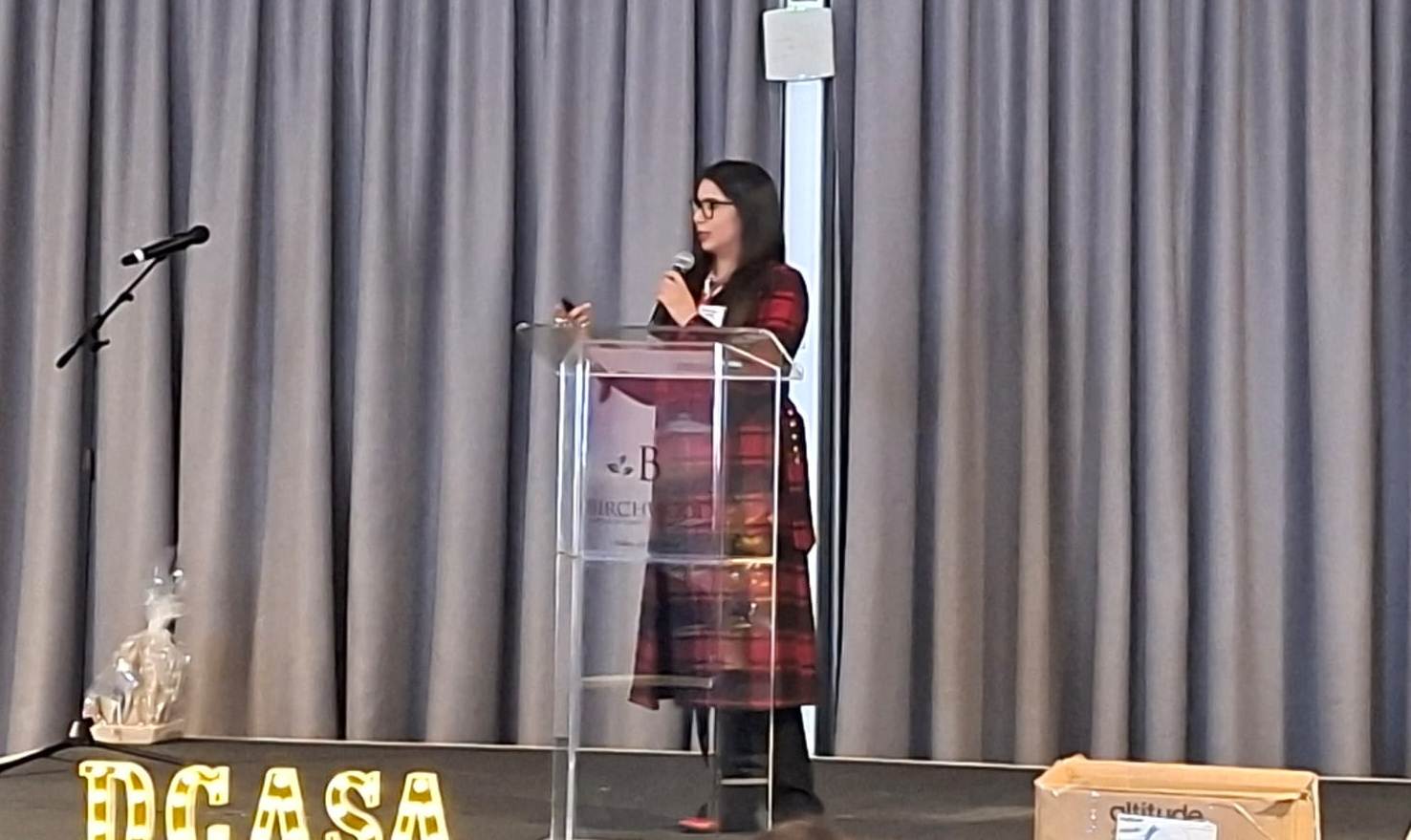
She noted that many consumers could probably have entered debt review six months earlier. Instead, people often push on long after they desperately need help. At the same time some credit providers are unhappy to see lower risk clients enter the process saying it is confusing to them. Could these just be proactive clients getting ahead of the curve?

As the pressure increases, consumers can become more reliant on credit. Razia highlighted the rapid growth of online gambling, Buy Now, Pay Later and repeated use of payday loans as areas of concern.

She also noted an interesting trend among more affluent consumers. Many South Africans have learned through experience how to “be broke”, while higher income consumers can sometimes struggle to adjust quickly when their circumstances change and may instead rely on credit to maintain their lifestyles.

The challenge is finding ways to identify financial distress earlier, before consumers reach crisis point.

CBA Presentation

Alison Magrath from the CBA provided an encouraging update on the CBA platform.

Alignment between the five participating credit bureaus has improved dramatically, from around 37% when the platform was introduced in March to approximately 95% during May and June.

Acceptance rates have similarly improved to almost 99%.

Alison also discussed clearance certificates, paid up letters, fraud prevention and some of the practical issues that can delay the removal of debt review flags before taking questions directly from delegates.

What Happens After the Conference?

After lunch, Casper le Grange returned to review some of the day’s discussions and ask delegates for their own feedback.

He acknowledged that one conference cannot change everything, but what is discussed at a conference can help shape what happens during the months that follow.

He called for more activity and regular engagement through the Credit Industry Forum, improvements to DCRS and renewed discussion around fees.

After 11 years, Casper argued that the current fee structure has become unsustainable and can encourage exactly the wrong behaviours, including high volume “sausage factories”, removal mills and corner cutting.

Most importantly, he encouraged the industry to stop looking at recurring problems as isolated consumer complaints.

If the same problem keeps happening, fix the system rather than fixing it one consumer at a time.

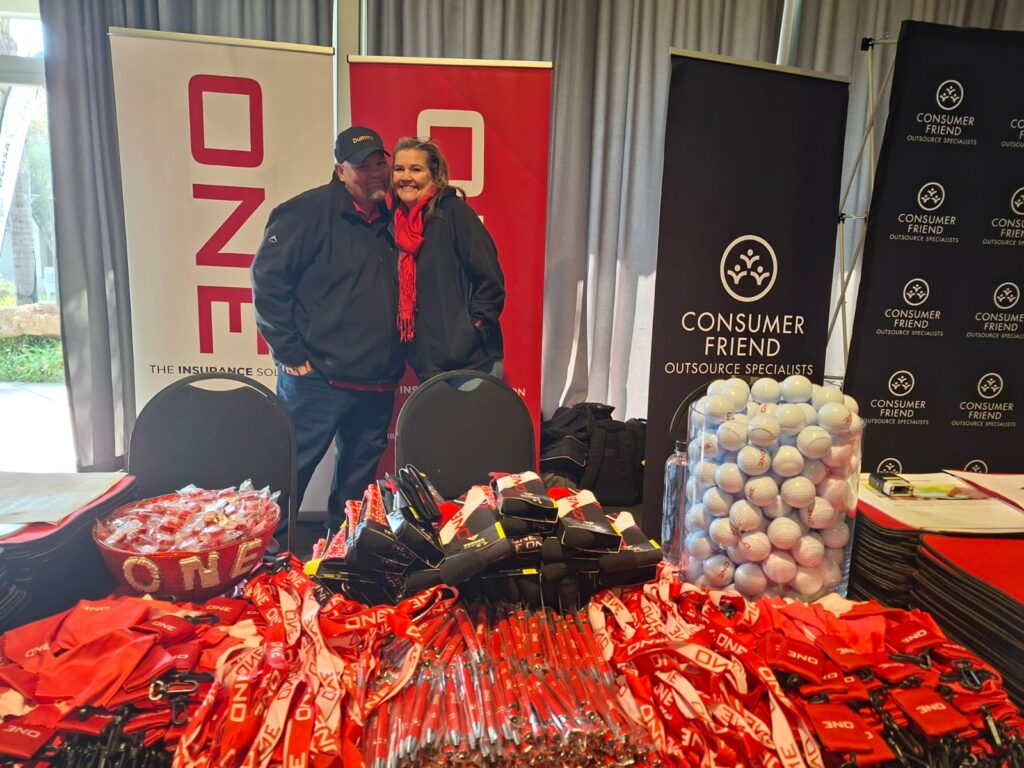
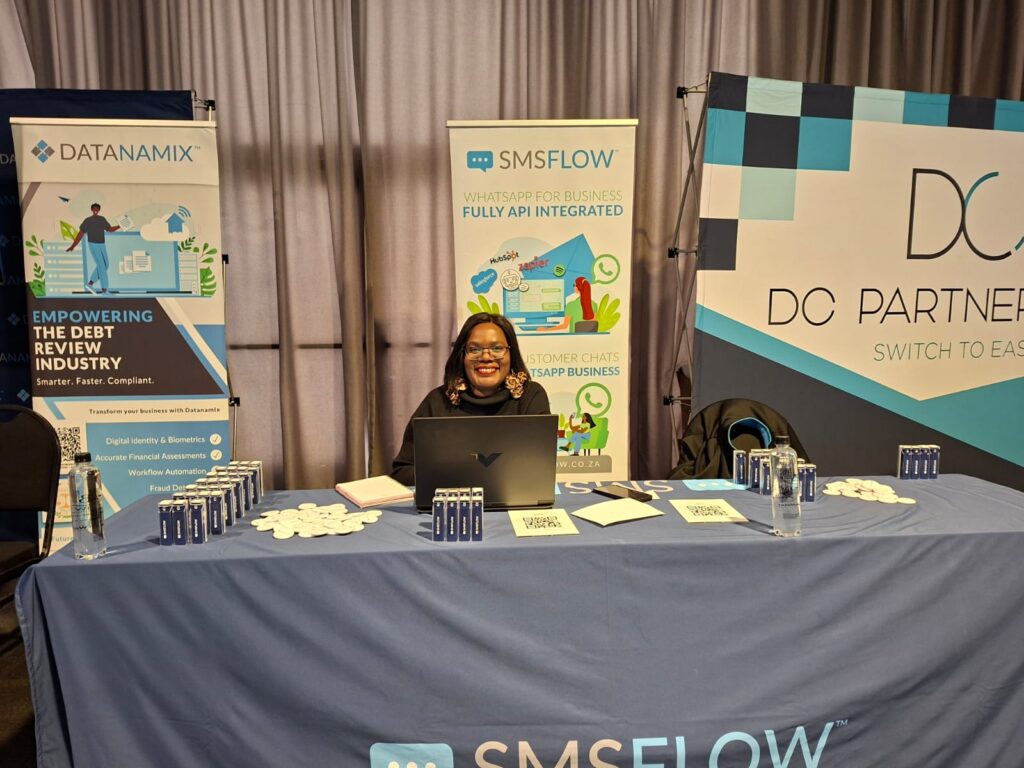
Various sponsors gave prizes to attendees, such as Datanamix, who gave out a coffee machine, Hyphen who gave out a tablet, and Debtfree, who gave out personalised versions of the Magazine.

Another Successful Conference

With around 200 attendees, plenty of networking, games, prizes, sponsor displays and some lively audience participation, guests clearly enjoyed the 2026 conference.

But beneath the fun and prizes was a serious and consistent message.

Whether discussing data, fees, training, payments, credit, legislation or communication, speakers repeatedly returned to the importance of different parts of the industry working together to improve the consumer journey.

The challenge now is turning those discussions into action before everyone meets again in 2027.

Don’t drop the ball.

For all the details and more images, pictures and stories, be sure to read the coming issue of Debtfree Magazine as we dive deep into everything that happened at the DCASA Conference and Golf Day.